
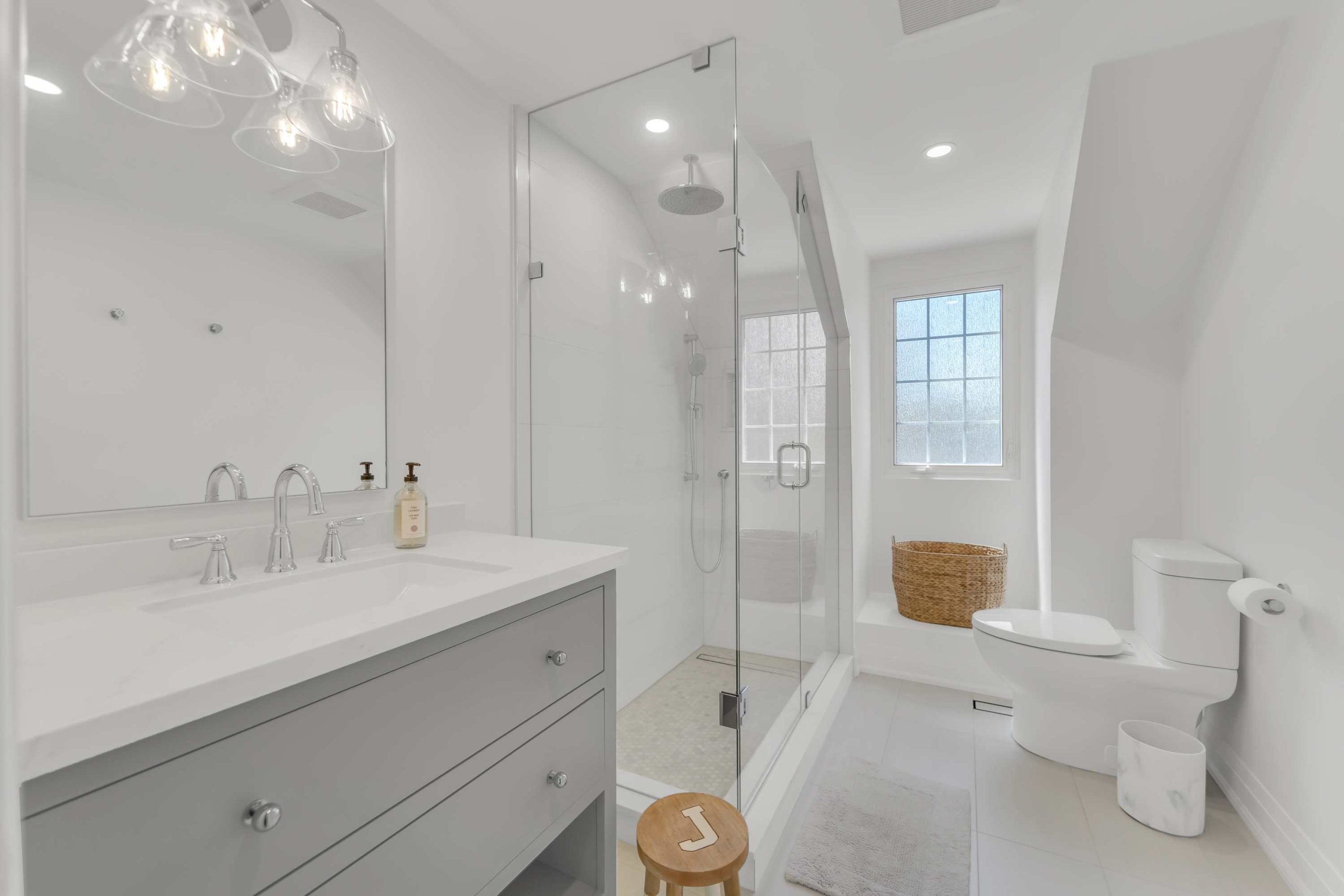
Choosing porcelain tile is not only about finding the right colour, pattern or size. The finish can have a major effect on how the tile looks, how much light it reflects and how practical it is in everyday use.
Matte and polished porcelain tiles can both create beautiful floors and walls, but they do not perform in exactly the same way. One may be better suited to a wet bathroom floor, while the other may be ideal for a bright feature wall or kitchen backsplash.
If you are planning a bathroom, kitchen, entryway or main-floor renovation, this guide will help you compare matte vs. polished porcelain tile and select the right finish for each part of your home.
What Is Porcelain Tile?
Porcelain is a dense and durable tile material that can be used on floors, walls, backsplashes and other surfaces. It is available in many colours, sizes and designs, including stone-look, concrete-look, wood-look and marble-look finishes.
Homeowners often choose porcelain tiles because they can provide the look of natural materials while offering a practical surface for busy areas of the home.
However, not every porcelain tile has the same surface.
Some products have a soft matte finish. Others have a smooth, reflective polished finish. There are also textured, semi-polished and lappato finishes that sit somewhere between the two.
Understanding how the main finishes differ will make it easier to narrow down your options.
What Is Matte Porcelain Tile?
Matte porcelain tile has a low-sheen surface that reflects very little light. It usually creates a softer, warmer and more natural appearance than polished tile.
Depending on the product, a matte tile may feel smooth or have a light surface texture. It is often selected for rooms where practicality, comfort and easy day-to-day maintenance are important.
Common uses for matte porcelain tiles include:
- Bathroom floors
- Kitchen floors
- Entryways
- Mudrooms
- Laundry rooms
- Main living areas
- Commercial or high-traffic spaces
Because the surface does not reflect as much light, dust, water spots, footprints and small marks may be less noticeable than they would be on a glossy floor.
Matte porcelain tile can work especially well in modern, Scandinavian, natural, farmhouse and minimalist interiors.
What Is Polished Porcelain Tile?
Polished porcelain tile has a smooth, glossy surface that reflects more light. This finish can make colours appear deeper and patterns more defined.
It is frequently used when the design goal is to create a bright, elegant or luxurious room. Marble-look polished porcelain is particularly popular because it can reproduce the appearance of polished stone in a porcelain format.
Common uses for polished porcelain tiles include:
- Bathroom walls
- Shower walls
- Kitchen backsplashes
- Feature walls
- Fireplace surrounds
- Powder rooms
- Formal living areas
Polished tile may also be used on floors when the specific product is approved for that application. However, its suitability should be checked carefully in rooms where the surface is likely to become wet.
Matte vs. Polished Porcelain Tile: Quick Comparison
| Feature | Matte Porcelain Tile | Polished Porcelain Tile |
| Appearance | Soft, subtle and natural | Glossy, bright and elegant |
| Light reflection | Low | High |
| Visibility of footprints | Usually lower | Usually higher |
| Visibility of water spots | Usually lower | Usually higher |
| Wet-area floors | Often a practical choice | Product rating must be checked carefully |
| Walls and feature areas | Suitable | Excellent |
| Daily maintenance | Forgiving | May show streaks more easily |
| Common design styles | Modern, natural, minimalist | Luxury, classic, contemporary |
| Best applications | Floors and busy spaces | Walls, backsplashes and feature surfaces |
The right choice depends on more than appearance. The location, lighting, traffic level and amount of moisture should all influence the decision.
Which Finish Is Better for Bathroom Floors?
For many bathroom floors, matte porcelain tile is the more practical option.
Bathroom surfaces may be exposed to water from the shower, bathtub or sink. A tile that provides suitable grip for the intended use can make the floor more comfortable and practical.
However, the word “matte” alone does not guarantee that a tile is suitable for every wet area. Surface texture and slip-resistance ratings vary from one product to another.
Before buying bathroom floor tile, confirm:
- Whether the product is approved for floor use
- Whether it is recommended for wet interior areas
- Whether it is suitable for bare-foot traffic
- What cleaning and maintenance the manufacturer recommends
- Whether the tile size works with the slope and drainage requirements
For a shower floor, smaller tiles or mosaics may be preferred because the additional grout lines can provide more grip and make it easier to create the required slope toward the drain.
Which Finish Is Better for Bathroom Walls?
Both finishes can be used on bathroom walls, but polished porcelain tile often creates a stronger visual effect.
A polished surface reflects light around the room and can help a smaller bathroom feel brighter. It can work especially well on:
- Shower walls
- Tub surrounds
- Vanity backsplashes
- Feature walls
- Decorative niches
Marble-look polished porcelain can create an elegant focal point without requiring every surface in the room to be glossy.
A balanced bathroom design may combine:
- Matte porcelain tile on the floor
- Polished porcelain tile on the shower walls
- A coordinated mosaic in the niche or shower base
- A grout colour that connects the different surfaces
This approach creates contrast while keeping the overall design consistent.
Which Finish Is Better for Kitchen Floors?
For a busy kitchen floor, matte porcelain is often easier to live with.
Kitchens are exposed to food spills, water, crumbs, footwear and frequent traffic. A matte surface tends to be more forgiving because everyday marks may not be as visible.
It can be a strong choice for:
- Family kitchens
- Open-concept kitchens
- Homes with pets
- Kitchens connected to an entryway
- Areas with frequent indoor-outdoor traffic
Polished porcelain can still be used on a kitchen floor when the product is rated for that application. It may be a good fit for a formal or contemporary design where brightness and visual impact are the priorities.
Before choosing polished floor tile, consider whether you are comfortable with footprints, streaks and small marks being more noticeable between cleanings.
Which Finish Is Better for Kitchen Backsplashes?
A polished surface is an excellent option for a kitchen backsplash.
Because a backsplash is installed on a wall, foot traffic and floor slip resistance are not concerns. The reflective surface can work with natural light and under-cabinet lighting to brighten the work area.
Polished tile is especially effective with:
- Marble-look designs
- White or light-coloured kitchens
- Dark cabinetry that needs contrast
- Minimalist kitchens
- Metallic cabinet hardware
- Contemporary countertops
Matte porcelain can also create a beautiful backsplash. It may be the better choice when the room already contains several reflective materials or when you want a warmer and less formal appearance.
For example, matte stone-look tile can complement wood cabinets and natural finishes without making the room feel too glossy.
Which Finish Is Better for Entryways and Mudrooms?
Matte porcelain tile is generally the more practical choice for an entryway or mudroom.
These spaces regularly deal with:
- Wet footwear
- Snow
- Road salt
- Sand
- Dirt
- Pet traffic
- Bags and outdoor equipment
In Ontario homes, the entrance may experience changing conditions throughout the year. A medium-tone matte tile with some colour variation can help disguise everyday dirt until the floor is cleaned.
A highly polished dark floor may show salt residue, water marks and footprints quickly. A light polished floor may hide some dust but still require regular cleaning to maintain its glossy appearance.
Always choose a product approved for the intended floor application rather than selecting the finish based only on appearance.
Which Finish Is Easier to Clean?
Both matte and polished porcelain tile can be easy to maintain when the correct cleaning products and methods are used.
Polished tile has a smooth surface, but its shine can make streaks, dried water droplets and footprints more noticeable.
Matte tile hides many everyday marks more effectively. However, a heavily textured matte product may require more attention because dirt can collect in the surface texture.
For regular porcelain tile maintenance:
- Sweep or vacuum loose dirt
- Use a cleaner recommended for porcelain tile
- Avoid products that leave a waxy or oily residue
- Rinse away cleaning-product residue
- Clean grout lines regularly
- Follow the manufacturer’s care instructions
- Test a new cleaner in a less visible area first
The colour and pattern of the tile also affect how clean the floor appears. A plain black or white tile may show more marks than a product with gentle stone-like variation.
Does Polished Porcelain Tile Scratch More Easily?
Any tile surface can be damaged by abrasive dirt, improper cleaning tools or heavy objects being dragged across it.
Because polished porcelain reflects light, fine surface marks may sometimes be more noticeable than they are on a matte finish. This is especially important in entryways, kitchens and other areas where sand or grit can be carried indoors.
To help protect the tile:
- Use mats near exterior doors
- Remove abrasive dirt regularly
- Place protective pads under furniture
- Avoid dragging appliances or heavy objects
- Do not use harsh scrubbing pads
- Follow the tile manufacturer’s cleaning instructions
The specific product quality, finish and installation location matter more than the word “polished” or “matte” by itself.
Which Finish Makes a Small Room Look Larger?
Polished porcelain tile can make a small room feel brighter because it reflects more natural and artificial light.
This makes it a popular option for:
- Powder rooms
- Small bathrooms
- Narrow shower walls
- Dark kitchens
- Rooms with limited windows
However, a room does not need glossy tile to feel spacious.
Light-coloured matte tile can also create an open look, especially when larger tiles and matching grout are used. Fewer visible grout lines can make the surface feel less divided.
For example, 12×24 porcelain tiles are frequently considered for bathrooms, kitchens and entryways because their rectangular shape works with several layout options.
The final effect will depend on tile size, grout colour, lighting and installation direction as well as the surface finish.
Which Finish Is Better for Homes With Kids and Pets?
Matte porcelain tile is often the more forgiving choice for a busy household.
Paw prints, small spills, dust and footprints tend to be less noticeable on a low-sheen surface. Matte products can therefore work well in:
- Kitchens
- Mudrooms
- Laundry rooms
- Hallways
- Family bathrooms
- Open living spaces
A tile with gentle variation may be even more practical than a completely solid colour.
Polished tile can still be used in a family home, but it may be better suited to walls, backsplashes, powder rooms and decorative features where it will not receive constant foot traffic.
Can Matte and Polished Porcelain Tile Be Used Together?
Yes. Combining finishes can make a room more interesting without introducing too many colours or materials.
Popular combinations include:
- Matte bathroom floor with polished shower walls
- Matte kitchen floor with polished backsplash
- Matte large-format tile with a polished feature niche
- Matte stone-look tile with polished marble-look accents
- Polished wall tile with a coordinated matte mosaic
The simplest method is to select one finish as the main surface and use the other as an accent.
You can also keep the colour family consistent while changing the finish. This creates contrast through light reflection rather than through competing patterns.
Before making the final decision, review RSC’s tile design ideas and compare samples under the actual lighting conditions in your home.
When Should You Choose Matte Porcelain Tile?
Matte porcelain tile may be the better choice when you want:
- A practical surface for a busy room
- A soft and natural appearance
- Less visible dust and footprints
- Tile for an entryway, mudroom or family kitchen
- A modern, organic or understated design
- A floor for a room that may experience moisture
The product still needs to be rated for its exact installation location, particularly in showers and other wet areas.
When Should You Choose Polished Porcelain Tile?
Polished porcelain tile may be the better choice when you want:
- A bright and reflective surface
- An elegant marble-look design
- A feature wall or backsplash
- More light reflection in a small room
- A clean, contemporary appearance
- A decorative surface with strong visual impact
For floor installations, always confirm that the selected polished tile is approved and appropriate for the room.
Questions to Ask Before Buying Porcelain Tile
Before selecting a finish, ask the following questions:
- Will the tile be installed on a floor or wall?
- Will the surface regularly be exposed to water?
- Is the product approved for that application?
- How much foot traffic will the room receive?
- Do children or pets use the space?
- How much natural light enters the room?
- Do you prefer a soft or reflective appearance?
- How visible will footprints and water spots be?
- What grout colour will complement the tile?
- Will professional installation be required?
Large-format tiles, wet-area installations and detailed layouts may require special surface preparation and installation experience. RSC offers professional tile installation and renovation support for homeowners who want help with product selection, planning and installation.
Is Matte Porcelain Tile Easy to Clean?
Usually, yes, provided you use a cleaner recommended for the specific tile. A matte finish may make everyday footprints and water spots less obvious, although a strongly textured surface can hold more dirt than a smooth one. Sweep or vacuum grit, clean the grout regularly and follow the manufacturer’s instructions rather than relying on the finish name alone.
Can Matte Porcelain Be Used on Shower Walls?
Yes, when the chosen product is approved for shower-wall installation and is installed over an appropriate waterproofing system. A matte wall can create a softer, stone-inspired look, but some textures need more attention to remove soap residue. Ask to see the tile’s wet-area guidance and a sample before deciding.
Which is better glazed or polished porcelain tiles?
“Glazed” describes a surface coating, while “polished” describes a surface finish or appearance. They are not necessarily opposite choices: a glazed tile can have different levels of sheen, and a glossy look does not by itself explain how a tile was made. Compare actual products for the intended wall or floor, their wear and wet-area ratings, and their cleaning instructions.
Final Recommendation: Matte or Polished Porcelain Tile?
There is no single finish that is best for every room.
Matte porcelain tile is generally a practical option for floors, high-traffic rooms and spaces where everyday marks need to be less noticeable. Polished porcelain tile is a strong option for walls, backsplashes and feature surfaces where brightness and elegance are the main goals.
In many homes, the best result comes from using both:
- Matte tile for practical floor surfaces
- Polished tile for brighter walls and accents
- Coordinated colours to connect the finishes
- Product ratings suited to each installation area
Seeing a tile in person is important because colour, texture and light reflection may look different on a screen.
Visit RSC Kitchen Bath & Flooring at 1042 Speers Road in Oakville to compare porcelain tile samples and find the right colour, size and finish for your bathroom, kitchen or entryway.
Ready to start planning? Request a free quote for your tile or renovation project.