
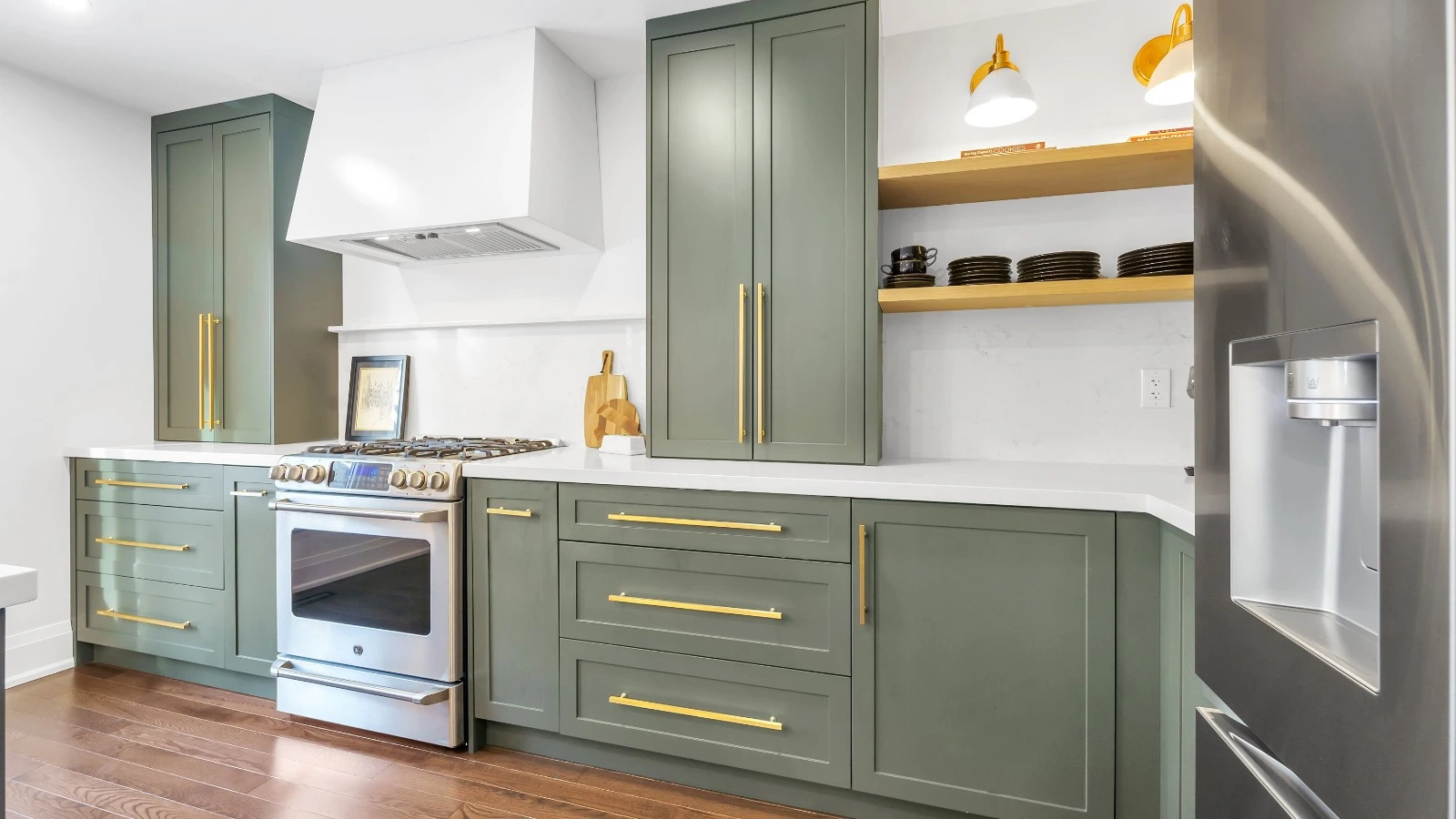
A Practical Look at One of the Most Popular Layouts in Oakville and Burlington
For many homeowners, the open-concept kitchen is the dream, that light-filled, spacious layout where the kitchen flows into the living or dining room, making everything feel connected and modern.
But what most Pinterest boards don’t show is the behind-the-scenes work that goes into getting it right, especially in real homes in Oakville or Burlington, where layouts, load-bearing walls, and family needs all vary.
Before you start swinging the sledgehammer, here’s what you should really consider.
INDEX
Why Open-Concept Kitchens Are So Popular
But It’s Not Always Perfect — And That’s Okay
Design Tips That Make It Work
The Emotional Part: How Will You Use the Space?
FAQs: Open-Concept Kitchens
Final Thoughts: Open, But Intentional
Why Open-Concept Kitchens Are So Popular
Let’s be honest: the open-concept look photographs beautifully. It feels fresh, clean, and social. When done well, it creates that seamless transition between cooking, eating, entertaining, and relaxing — something a lot of families value, especially in larger homes or homes where the kitchen is the heart of daily life.
You can prep dinner while chatting with the kids at the island, keep an eye on the game while loading the dishwasher, or entertain friends without feeling tucked away in a separate room. It’s a lifestyle choice as much as a design one.
And in newer Burlington builds, where space tends to be tighter, removing walls can dramatically improve how large the home feels, even if you don’t add a single square foot.
But It’s Not Always Perfect — And That’s Okay
The truth is, not every house benefits equally from going open-concept.
One of the biggest downsides people discover after the reno is noise. Without walls to buffer sound, everything from clattering pots to background TV noise travels more freely. If you’re the kind of person who loves a quiet kitchen while cooking, that could be a dealbreaker.
Storage can also be tricky. When you remove walls, you lose potential areas for cabinetry. This is where thoughtful custom cabinetry becomes crucial. It’s not just about making things look good; it’s about reclaiming storage you might otherwise lose.
Some homeowners also find the lack of visual separation tiring over time. It’s great to have a connected space, but when your kitchen’s in full view 24/7, clutter (or dishes from dinner) can feel more stressful.
Design Tips That Make It Work
If you’re going to open things up, it pays to plan for flow — both visual and functional.
Think about how flooring transitions. Many Burlington homeowners opt for the same hardwood or luxury vinyl plank across the kitchen and living areas, which keeps the look unified and clean. But if you’re using tile in the kitchen, you’ll want to match tones and finishes carefully so the shift doesn’t feel jarring.
Your cabinet layout will also matter more than ever. Without upper cabinets on every wall, you may need to include a large island with deep drawers or add pantry towers that double as visual anchors.
And lighting plays a huge role. Recessed ceiling lights can handle overall brightness, but don’t skip the chance to add pendants over the island or sconces near built-ins. In open spaces, layered lighting adds the coziness that walls used to provide.
Don’t forget to think about the backsplash, either. With fewer walls, every visible detail matters more, from the texture of your tile to the grout colour you choose. Subtle changes can make a huge difference.
The Emotional Part: How Will You Use the Space?
Open-concept isn’t just a look; it’s a way of living. So ask yourself: what do you want from your kitchen besides beauty?
If you entertain a lot, it probably makes sense to have the island open to the living room, with bar seating and great lighting. If you have young kids, maybe your priority is visibility and ease of movement. If you’re a passionate home cook, you might need more counter space than most, and more closed storage to hide the mess when guests come over.
Every family’s answer is different. That’s why every open-concept design should be tailored, not templated.
🔍 FAQs: Open-Concept Kitchens
1. Will removing walls always add value to my home?
Not always, but in Oakville and Burlington, open-concept layouts are in high demand. That said, losing too much storage or structure can backfire. Always check with a pro before making structural changes.
2. How do I deal with cooking smells in an open-concept layout?
A high-quality range hood and good ventilation are essential. Also, stick to surfaces that are easy to clean and resist staining.
3. What’s the ideal island size in an open kitchen?
It depends on your space, but generally, 6 to 8 feet long gives you enough room for seating, prep space, and storage without overwhelming the room.
4. Can I mix flooring types between the kitchen and living areas?
Yes, but keep transitions clean. Many homeowners now choose waterproof LVP throughout for continuity and durability.
5. Do I need all new furniture for the space to look cohesive?
Not at all. But it’s smart to consider how your existing dining table, sofa, or lighting will look with your new cabinetry and finishes.
6. What if I regret going open-concept?
In most cases, smart design prevents regret. If you include enough closed storage, use layered lighting, and make your zones functional, you’ll likely love it, especially if you’ve planned it around how you actually live.
Final Thoughts: Open, But Intentional
An open-concept kitchen can transform how you experience your home, but only when it’s done thoughtfully. It’s not just about making the space bigger. It’s about making it better.
Whether you’re planning a family-friendly remodel in Burlington or breathing new life into a semi-detached home in Oakville, the best open-concept kitchens are the ones that balance function with feeling — and always start with a solid design foundation.
Thinking of opening up your kitchen? Let’s talk layout, cabinetry, lighting, and flooring. We’ll help you build a space that actually works for how you live — not just how it looks online.